
The Seven Dials Mystery Review: A Masterclass in Casting, a Misfire in Mystery

Netflix’s three-part adaptation of Agatha Christie’s The Seven Dials Mystery arrived on January 15, 2026, with impressive production values and a stellar cast. The series is competently made, swiftly paced, and entirely watchable—but it struggles with the fundamental challenge that undermines the entire experience: the mystery itself isn’t compelling enough to carry the narrative.
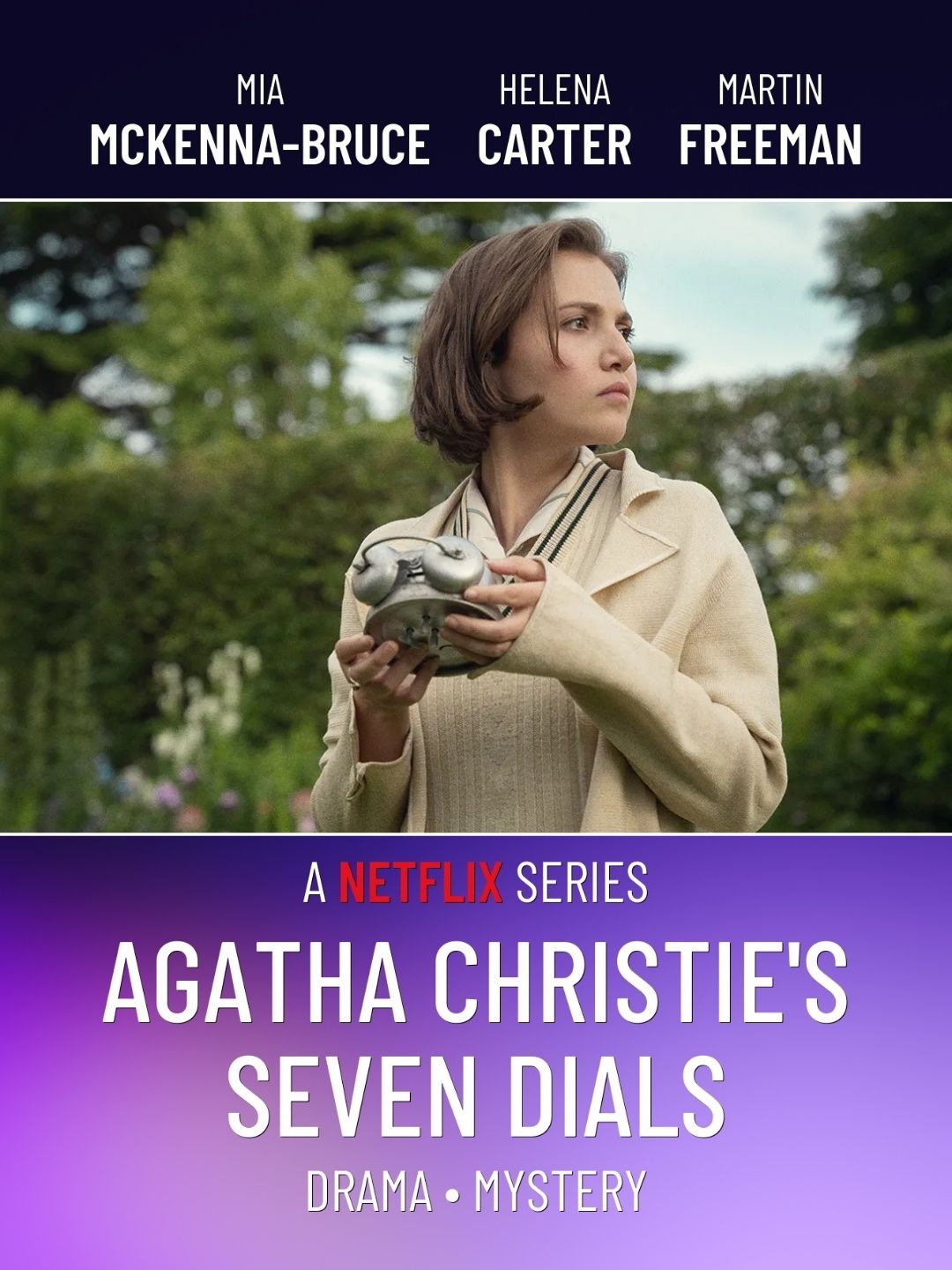
Production Details
Lead Cast
- Mia McKenna-Bruce as Lady “Bundle” Brent
- Martin Freeman as Superintendent Battle
- Helena Bonham Carter as Lady Caterham
What Works: The Cast and the Charm
Mia McKenna-Bruce’s Breakout Performance
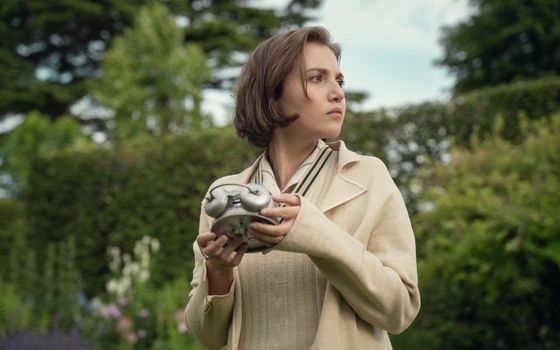
The series rises and falls on its lead. Mia McKenna-Bruce, fresh off her BAFTA-winning success in How to Have Sex, anchors the entire experience as Lady Eileen “Bundle” Brent. She’s curious without being reckless, determined without becoming annoying, and genuinely curious about contradictions others dismiss. McKenna-Bruce carries scenes with ease, even when the material around her feels thin.
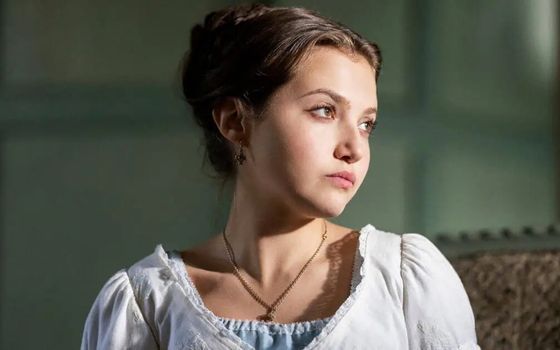
Bundle is drawn into investigating the death of Gerry Wade, a friend from the previous night’s country house party. Everyone assumes his death—slumped in bed with seven alarm clocks arranged on the mantelpiece—resulted from his notorious oversleeping combined with an accidental overdose. Bundle won’t accept this explanation. Despite warnings from official investigators and family members, she pursues the truth, and the actress convinces us this obsession springs from genuine affection for the victim, not amateur detective fantasy.
Martin Freeman’s Reluctant Dynamic
Martin Freeman plays Superintendent Battle, the Scotland Yard detective formally investigating the death. His approach differs markedly from typical detective portrayals. Rather than appearing commanding or authoritative, Freeman plays Battle as perpetually exasperated by Bundle’s interference. The dynamic between the two becomes the series’ most entertaining element—less adversarial, more “frustrated professional dealing with determined amateur.”
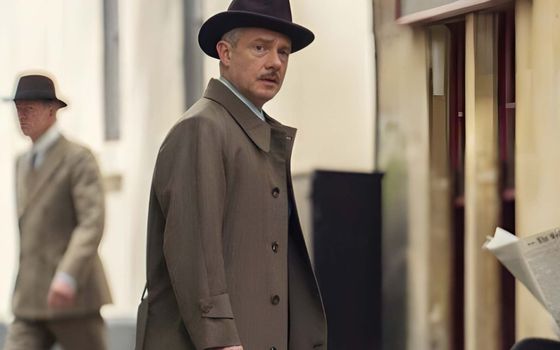
Freeman’s greatest strength here is subtle: he conveys what remains unspoken. Battle recognizes Bundle’s intelligence and courage but worries about her safety. The scenes where he warns her away from danger carry genuine concern beneath the irritation. Freeman balances this without overplaying either emotion, which keeps Battle from becoming either a romantic interest or a simple antagonist.
Helena Bonham Carter Steals What She Can
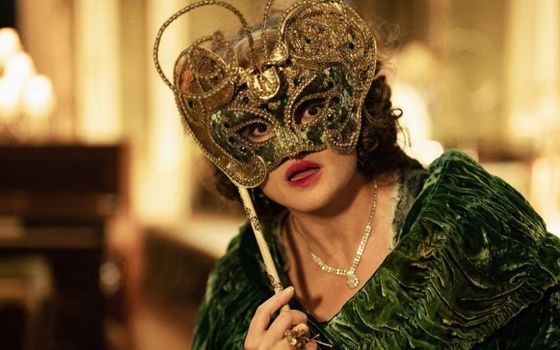
Helena Bonham Carter appears as Lady Caterham, Bundle’s mother. The role offers limited screen time but demands everything when she appears. Bonham Carter plays Caterham as psychologically fragile—grieving both a husband and a son lost to World War I—yet unwilling to surrender to despair entirely. She delivers her lines with weaponized indifference, turning mundane observations into cutting commentary through sheer force of delivery.
Every critic noted the same thing: Bonham Carter is the standout, and she deserves more screen time. The show knows how to use her effectively, which makes her limited appearances feel like a waste. When she’s on screen, the energy shifts. When she departs, the show deflates slightly.
What Doesn’t Work: The Mystery
The central problem isn’t the plot mechanics—it’s that the mystery lacks investigative satisfaction. Reviews consistently identified the same fundamental issue: viewers become indifferent to who committed the crime because the suspects remain indistinct. Characters appear sporadically, their motivations remain unclear, and no single suspect emerges as genuinely suspicious or interesting.
By the midpoint of Episode 2, most viewers will have guessed the primary culprit. This isn’t because the series is clever with misdirection—it’s because the mystery offers so few compelling alternatives. When the final reveal arrives, it lands with a “cheeky twist” that partially compensates for the predictability, but this happens too late to restore investment in the investigation.
The core issue extends beyond who-dunnit plotting. The series fundamentally misunderstands what makes Agatha Christie mysteries engaging. Christie’s best work relies on establishing multiple plausible suspects with distinct personalities, rivalries, and secrets. Viewers become invested in the puzzle because they genuinely cannot eliminate suspects based on available information. The Seven Dials Mystery opts for a lighter approach: fewer suspects, clearer clues, less investigative rigor.
This choice isn’t necessarily wrong—it reflects an intentional creative decision to prioritize tone and character over mystery puzzle-solving. Yet when you adapt a mystery novel, audiences expect mystery satisfaction. The series essentially removes what made the source material worth adapting in the first place.
The Tonal Disconnect
The series relies heavily on dry humor and snarky banter. This creates accessibility and charm, but it simultaneously undermines threat and menace. Multiple reviews noted the same observation: the humor, while amusing, prevents genuine tension from building. When characters make witty quips while stumbling toward dangerous situations, consequences feel theoretical rather than visceral.
This tonal choice resembles 1920s British comedy more than thriller. The show doesn’t take itself seriously, which means viewers struggle to take the danger seriously either. A country house mystery can work with levity, but it requires balance—moments of genuine darkness punctuating the humor. Seven Dials struggles to find this equilibrium, tilting almost entirely toward entertainment rather than suspense.
Production and Pacing Issues
Director Chris Sweeney and cinematographer create genuinely attractive visuals throughout. The period detail feels authentic without becoming ostentatious. Filming locations in Bath, Bristol, and Ronda, Spain provide visual variety within the story’s 1920s setting. The production clearly received adequate Netflix backing to ensure visual polish.
Yet this polish sometimes masks structural problems. The first episode “Bundle of Love” drags noticeably while establishing groundwork and backstory. The three-hour total runtime feels prolonged for the amount of actual plot development. Multiple critics noted a question that hangs over the adaptation: why did creator Chris Chibnall choose a three-part miniseries format rather than condensing the story into a two-hour film? The pacing suggests this story would have benefited from tighter editing and a narrower scope.
Context: What This Series Actually Is
Before the series premiered, it represented something significant—a prestige adaptation from a writer-producer of Chibnall’s stature, featuring acclaimed British actors, adapting a rarely-adapted Christie novel. The hype suggested something special.
The reality is more modest. The Seven Dials Mystery is competent escapist television designed for casual viewing. It works perfectly fine as January background entertainment while you’re doing other things. The performances are engaging enough to pause whatever else you’re doing when something interesting happens on screen. The visual presentation justifies watching on a decent display. But it doesn’t demand your full attention, and it won’t linger afterward.
It’s worth noting that The Seven Dials Mystery represents only the second major television adaptation of this 1929 novel (the first aired in 1980). This rarity reflects a larger truth: The Seven Dials Mystery occupies the middle tier of Christie’s output. It’s not Murder on the Orient Express or And Then There Were None—works that have been adapted repeatedly because their underlying mysteries remain genuinely compelling. It’s an above-average Christie novel that makes for pleasant reading but hasn’t earned the status commanding multiple adaptations.

Should You Watch It?
Yes, if you:
- Enjoy period dramas with light tone and good performances
- Want something binge-friendly that demands minimal mental engagement
- Appreciate McKenna-Bruce, Freeman, and Bonham Carter as actors
- Prefer character-focused storytelling over mystery puzzle-solving
- Seek escapist entertainment without sustained tension
Maybe not, if you:
- Expect complex mystery plotting that rewards close viewing
- Want genuine unpredictability and surprise
- Seek the intensity that makes thrillers satisfying
- Prefer to rewatch adaptations and catch new details
- Value source material fidelity in mystery elements
The Final Verdict
Agatha Christie’s Seven Dials is a well-produced, well-acted, thoroughly competent adaptation that solves an interesting problem (how to adapt a lesser-known Christie novel) in a predictable way (emphasize character and tone over mystery substance). The cast deserves genuine praise—particularly McKenna-Bruce’s natural lead performance and Carter’s scene-stealing cameos. But the series sacrifices the core appeal of its source material in favor of pleasant escapism.
It’s not a failure—it’s a middle-ground achievement. The three-part format makes it easy to consume in an evening, which might be its greatest strength. Netflix clearly invested resources and talent into the project, and that investment translates to screen time. Yet investment in production values cannot compensate for a hollow mystery at the narrative’s heart.
Watch Seven Dials if you’re seeking lightweight period drama with good performances. But don’t expect the kind of mystery satisfaction that justifies the considerable story infrastructure the series builds around its investigation. The charm carries you through, but once finished, you’ll likely move on to your next Netflix selection without lingering thoughts about Bundle’s adventure.