Matilda De Angelis: the Italian star bridging music, cinema, and global streaming
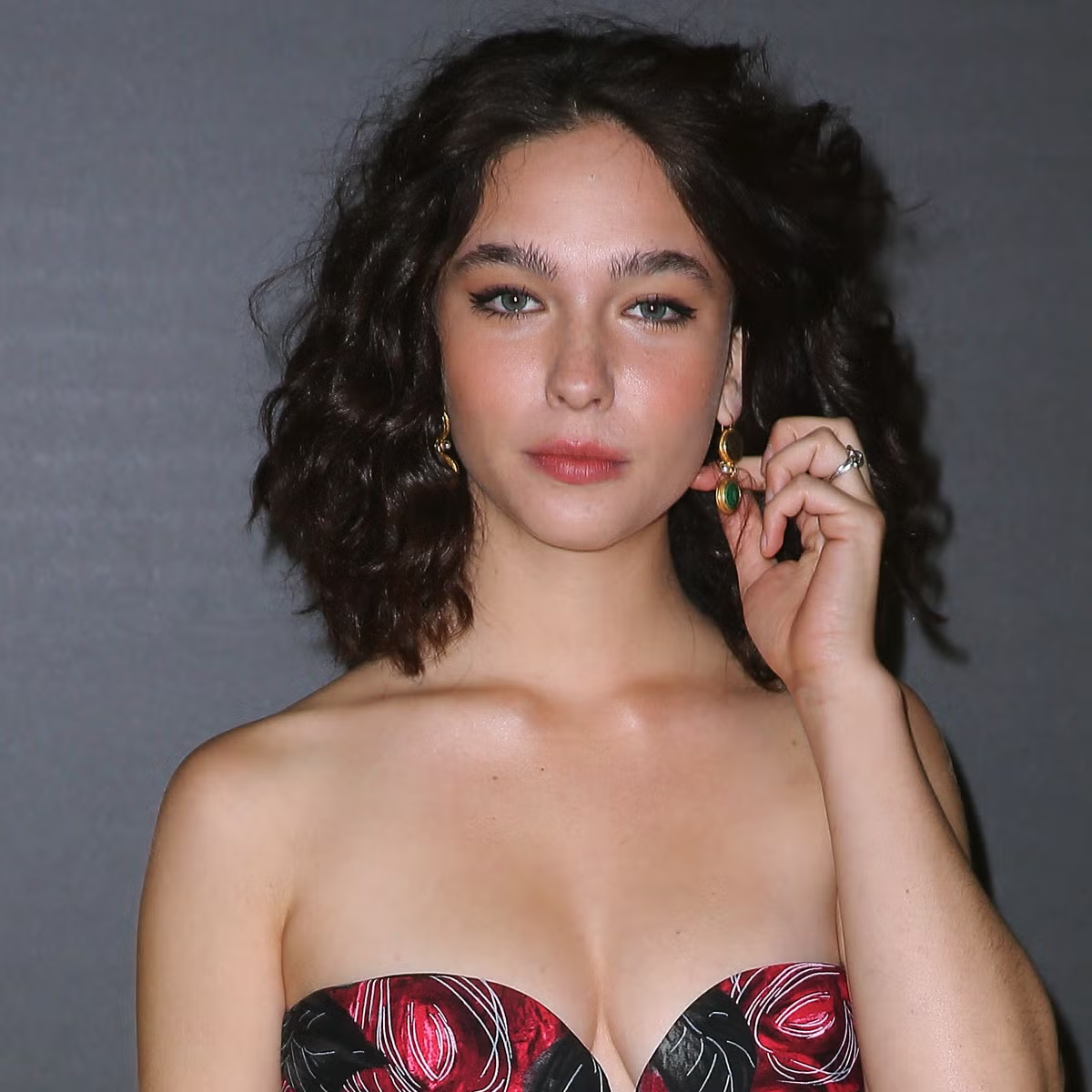
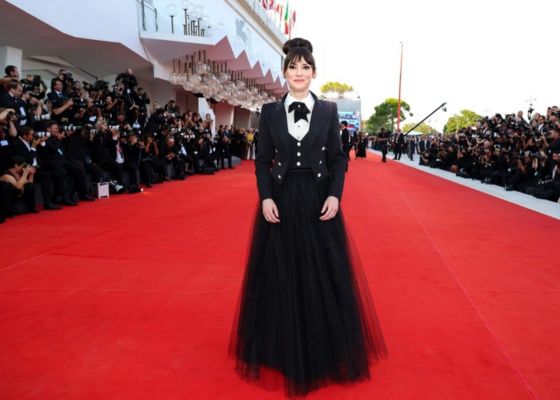
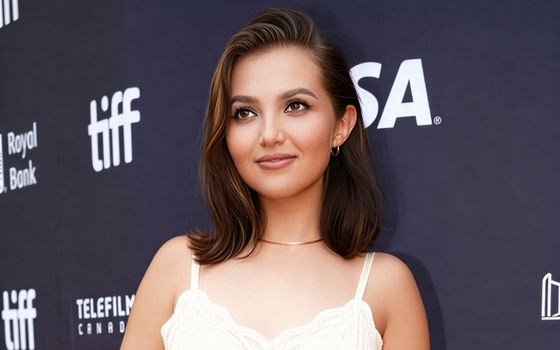
Matilda De Angelis has become one of the most recognizable Italian performers of her generation, moving smoothly between music, film, and international television. Born in Bologna and raised in a creative household, she built her career without the traditional conservatory path, instead evolving from musician to award-winning actress.
Today, Matilda De Angelis is known to global audiences through HBO and Netflix projects while still maintaining a strong presence in Italian cinema. Her career stands out for its range: indie dramas, historical roles, thrillers, and large streaming productions all sit comfortably in her filmography.
Matilda De Angelis overview
| Detail | Information |
|---|---|
| Full name | Matilda De Angelis |
| Birth date | 11 September 1995 |
| Birthplace | Bologna, Emilia-Romagna, Italy |
| Nationality | Italian |
| Profession | Actress, singer, songwriter |
| Active years | 2014 – present |
| Breakthrough film | Veloce come il vento (2016) |
| International recognition | The Undoing (2020) |
| Major awards | David di Donatello winner (2021) |
| Notable series | The Law According to Lidia Poët, Citadel: Diana |
Early life and creative background
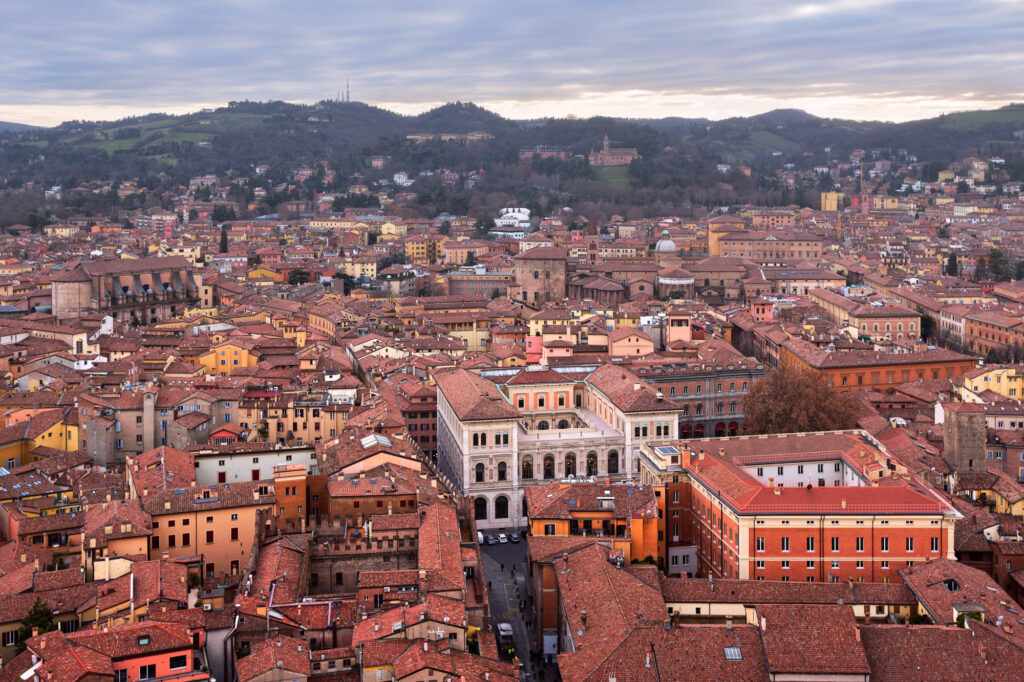
She grew up on the outskirts of Bologna in a family shaped by visual and artistic influences. Her father worked as a graphic designer and had a background in comic art, which exposed her early to drawing, storytelling, and performance. Creativity was part of daily life rather than a distant ambition.
Music arrived before acting. As a pre-teen she began studying guitar and violin, and by her early teens she was writing original songs. That foundation later influenced the rhythm and emotional control critics often point out in her screen performances.
From band stage to camera
Before becoming widely known as an actress, she was the lead singer of the funk-ska group Rumba de Bodas. Touring across Italy and Europe gave her years of live performance experience, long before she stepped onto a film set. That stage confidence translated naturally to acting.
Her entry into cinema happened unexpectedly when she auditioned for a project connected to Italian actor Stefano Accorsi. Early television roles followed, including appearances in Italian drama series that introduced her to a national audience. She did not come from formal drama school training, making her rise feel organic and self-built.
Breakthrough with Italian Race
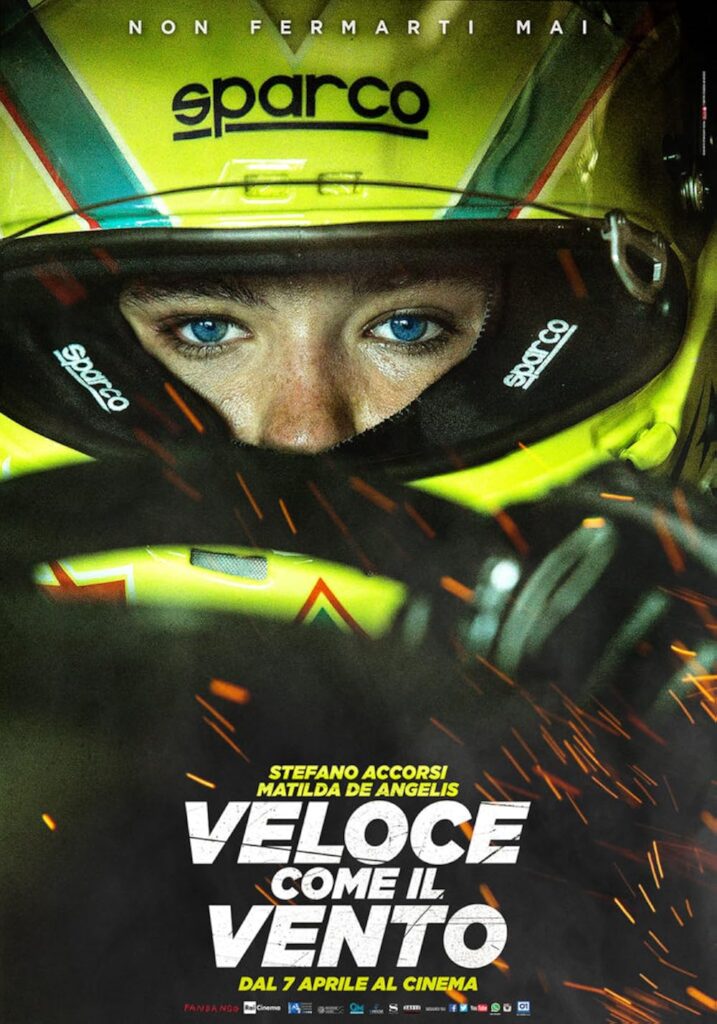
Her major turning point came in 2016 with Veloce come il vento (Italian Race). She played Giulia De Martino, a teenage racing driver balancing competition and family turmoil. The performance immediately drew attention for its physical intensity and emotional sharpness.
The film earned her major newcomer recognition and a David di Donatello nomination. She also wrote and performed the soundtrack song “Seventeen,” reinforcing her dual identity as musician and actress. Critics highlighted her ability to combine toughness with vulnerability, a trait that would define many later roles.
Growing reputation in Italian cinema
Following her breakout, she moved quickly through a mix of dramas and comedies. Projects like Una famiglia, Youtopia, and Una vita spericolata showed a willingness to take on darker, riskier material. Even supporting roles attracted award nominations and festival attention.
She also portrayed Mariele Ventre in a television film about the famous Zecchino d’Oro choir, linking her acting career back to Italian musical culture. By the end of the 2010s, she was considered one of Italy’s most promising young screen talents.
International spotlight: HBO and Netflix

Global recognition arrived in 2020 with HBO’s The Undoing, where she starred opposite Nicole Kidman and Hugh Grant. Her role, though limited in screen time, carried emotional weight and became central to the story’s mystery. The performance introduced her to a worldwide audience.
The same year, Netflix released Rose Island, where she played Gabriella. That role won her the David di Donatello for Best Supporting Actress, confirming her position not only as an international face but as a critically respected performer at home.
Expanding into major series
Her television career accelerated with high-profile projects. In The Law According to Lidia Poët, she plays Italy’s first female lawyer fighting institutional barriers in the 19th century. The series strengthened her status as a streaming lead and earned award nominations.
She later headlined Amazon’s Citadel: Diana, stepping into the global action-spy genre. This move demonstrated her versatility, shifting from historical drama to large-scale international franchise storytelling without losing her grounded screen presence.
Music alongside acting
Even as her film career grew, music never disappeared. She continued writing and collaborating, including a successful partnership with Italian singer Elisa on the track “Litoranea.” Her musical instincts remain visible in her acting, especially in timing and emotional pacing.
Many reviewers note that her performances carry a musician’s sense of rhythm. Scenes often feel measured like compositions, balancing silence, movement, and intensity.
Awards and recognition
By her early thirties, she had already collected major Italian honors. These include a David di Donatello win, multiple nominations, festival prizes, and a special Nastro d’Argento linked to her international work. In 2022, she was appointed a Knight of the Order of Merit of the Italian Republic, a rare distinction at her age.
The combination of mainstream success and critical respect is a recurring theme in discussions of her career.
Personal image and public voice
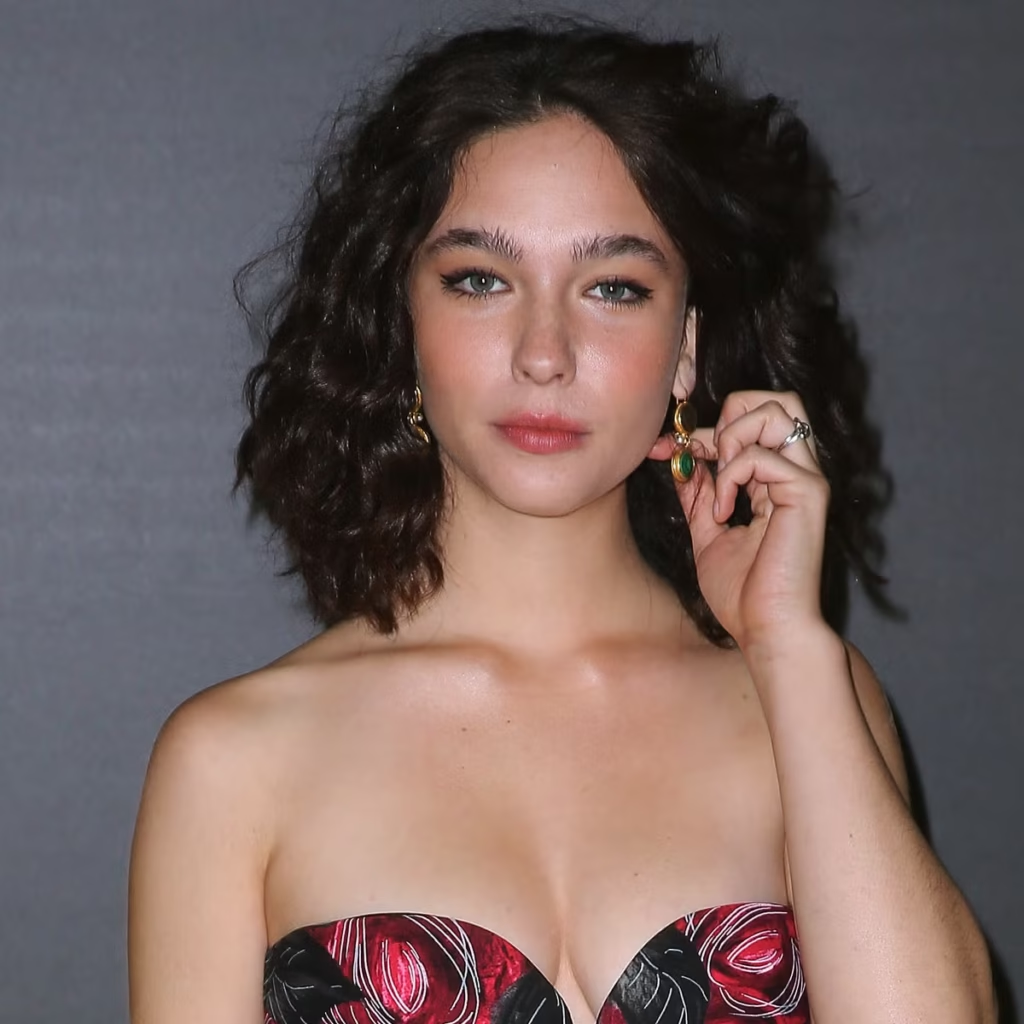
She is often described as direct and self-aware in interviews. She has spoken openly about body image, beauty standards, and vulnerability, arguing that on-screen perfection is largely constructed. That honesty has helped shape a public image that feels glamorous yet approachable.
Her private life remains comparatively guarded, though Italian media have covered her long-term relationship with musician Alessandro De Santis. She tends to redirect attention back to work rather than celebrity culture.
Recent and upcoming projects
The mid-2020s have kept her schedule full. She appears in auteur-driven European cinema as well as commercial streaming productions, including Luc Besson’s reinterpretation of Dracula. New dramas continue to position her in emotionally complex roles.
As of 2026, she stands at the center of a generation of Italian actors successfully crossing into global markets. With steady collaborations across film, television, and music, her trajectory suggests a career built on range rather than typecasting.